remote work
Remote Work Wardrobe for Tech Employees: What to Actually Wear at a Home Office
What remote tech workers actually wear day to day, why getting dressed still matters at a home office, and how to build a rotation that just works.

In this guide
Nobody warns you about this when you first start working from home: the hardest part isn't the isolation, or the Slack notifications, or even the dishes piling up in the sink you can somehow always see from your desk. It's figuring out what to actually put on your body every morning when literally no one is checking. Give it enough weeks and you'll either end up in the same three-day-old hoodie or you'll build a small, boring, genuinely great rotation that just works. This is about the second option.
The Weird Psychology of Dressing for No One
There's a strange thing that happens when you stop dressing for an office. Some people go full comfort, pajamas until noon, and honestly that works for a while. But most remote tech workers I've talked to eventually land somewhere in the middle, because it turns out getting dressed, even a little, does something for your brain. It's a small signal that the workday has started. Skip it too many days in a row and everything starts blurring together in a way that isn't great for anyone.
So the goal isn't looking sharp for a camera nobody's turning on. It's finding a version of dressed that still feels like comfort, but tells your brain something has changed.
You are not dressing for your coworkers anymore. You are dressing for your own focus.
What Actually Works
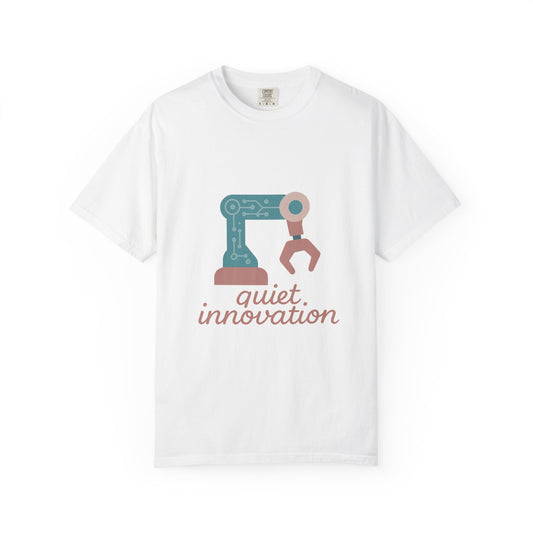
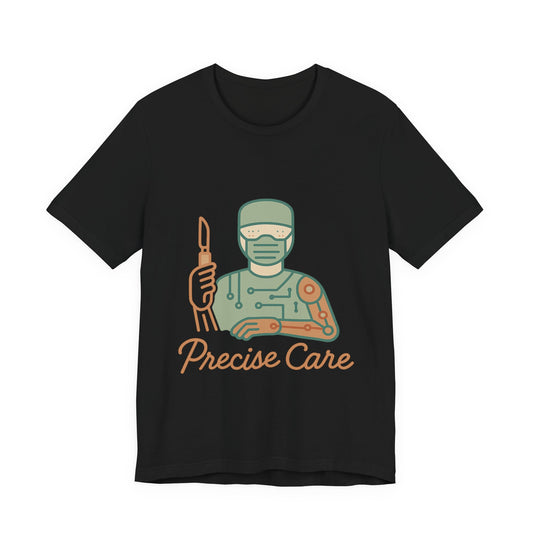
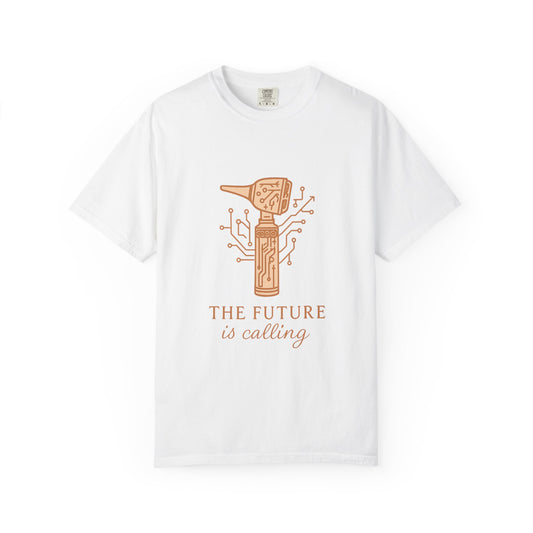
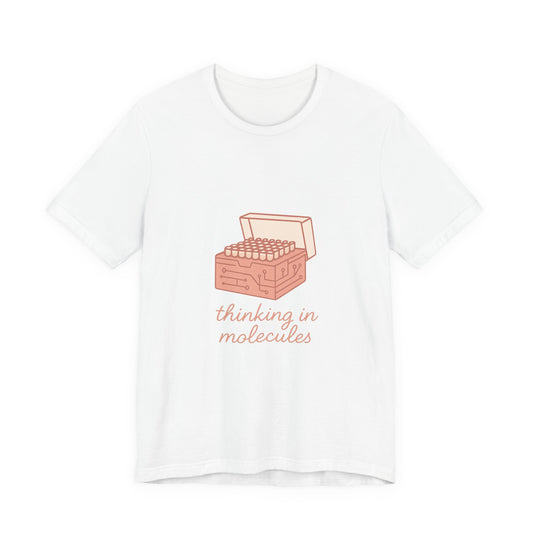
A soft, well-worn tee is doing a lot more work than people give it credit for. Something like our Data Scientist Comfort Colors tee hits that spot where it feels like loungewear but still counts as being properly dressed. Garment-dyed cotton softens more with every wash, which matters a lot more when you are wearing the same handful of pieces on repeat, day after day, for months.
Bottoms almost never matter unless there is a call. Everyone knows this. Nobody talks about it enough.
Layering is where people actually go wrong, in my experience. A home office swings temperature constantly, morning sun through the window, the AC kicking on at noon, that weird chill once it gets dark. A light zip hoodie you can throw on and off without thinking solves ninety percent of that problem, and it is a lot less annoying than fighting with the thermostat five times a day.
The Surprise Video Call Problem
Here is the actual constraint most people underestimate: you never know when a call is going to turn into a video call. A quick Slack huddle becomes a screen share becomes, somehow, everyone's cameras are on. If your daily tee already looks intentional, a clean minimalist graphic instead of a stretched-out relic from three years ago, you are covered without having to scramble.
This is honestly the whole argument for choosing well-designed basics over whatever is cheapest or oldest in the drawer. Not because anyone is judging you. Because you stop having to think about it.
A Rotation That Actually Holds Up
Four or five tees you genuinely like wearing beats fifteen you are lukewarm on. One light layer. One pair of pants or shorts you would be fine grabbing water from the kitchen in, since let us be honest, that is most of what remote work actually involves below the waist. That is it. That is the whole system, and it works because there is nothing left to decide each morning.
What to Skip
- Anything stiff or scratchy. You will notice it by hour three and regret it by hour six.
- Full pajamas as a daily habit. Fine occasionally, rough as a routine, mostly for the mental-shift reason above.
- Anything you are precious about. Coffee spills happen at a home desk way more than they ever did in an office.
The Bottom Line
Remote work wardrobes are not really about style, not first. They are about building a small, repeatable habit that gets you into work mode without a decision every single morning. Comfortable, soft, a little bit intentional, and ready for the video call you did not see coming. That is really the whole formula.
Frequently Asked Questions
What should remote tech workers wear during the day?
Soft, comfortable basics that still feel a step above pajamas work best, enough structure to signal focus, comfortable enough to wear for a full unstructured workday.
Does what you wear affect productivity when working from home?
Many remote workers report that getting dressed, even minimally, helps create a mental separation between work mode and off hours, which can support focus throughout the day.
How do I prepare for unexpected video calls while working remotely?
Wearing a clean, presentable tee as your daily default rather than worn-out loungewear means you are camera-ready without needing to change when an impromptu call comes up.