career
The Rise of Influencer as a Real Career, and What That Means for How They Dress
How the influencer career grew into a legitimate profession, and why the wardrobe pressures of the job are genuinely unlike most other careers.

In this guide
A decade ago, telling someone you were an influencer usually got a raised eyebrow. Now it's a career path with actual infrastructure behind it, agents, contracts, brand deals, tax accountants who specialize in creator income. The job got real, even if the title still sounds a little informal at a dinner party.
That shift matters for how creators actually dress, because the wardrobe pressures of the job are genuinely unusual compared to almost any other profession we've covered on this blog.
A Job Where the Outfit Is Also the Output
Most careers treat clothing as separate from the actual work. An engineer's outfit doesn't affect the code they ship. A surgeon's scrubs don't change the outcome of a procedure. For a creator, though, the outfit frequently is part of the content itself, what's on camera, what gets photographed, what shows up in a brand partnership post. That collapses a distinction most professions take for granted.
It also means the usual advice about dressing for comfort or dressing to disappear into a role doesn't fully apply here. A creator's wardrobe has to do double duty, comfortable enough for long filming or editing sessions, but visually considered enough to actually work as content when the camera turns on.
For most jobs, the outfit supports the work. For a creator, the outfit sometimes is the work.
The Two Very Different Modes
Talk to any full-time creator and you'll hear about the split pretty quickly. There's on-camera mode and off-camera mode, and they barely resemble each other.
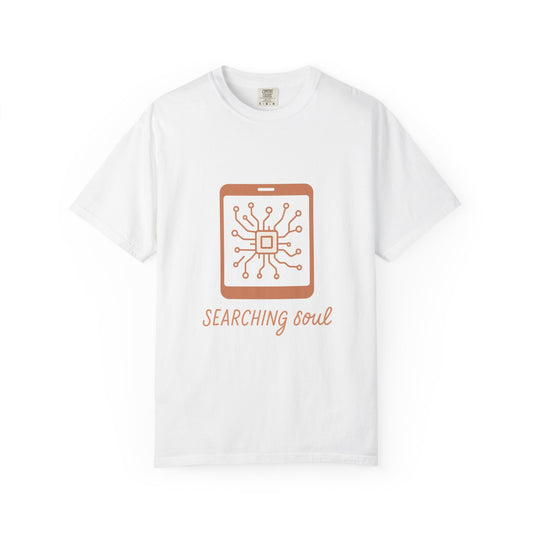
Off-camera, most of the actual job looks a lot like remote knowledge work, editing footage, answering brand emails, scheduling posts, reviewing analytics. Comfort wins completely here, the same way it does for any other desk-heavy job. A soft, easy tee like the Influencer Mind Speak tee fits this half of the day well, comfortable enough for hours of editing without a second thought.
On-camera, the calculation flips entirely. Now the outfit is doing communication work, signaling personality, brand fit, and visual identity all at once, often multiple times a day across different pieces of content. This is the part of the job that has no real equivalent in most other professions we've written about.
Why Personal Brand Consistency Actually Matters Here
Unlike most jobs, a creator's audience builds a relationship with a specific visual identity over time. Wardrobe consistency isn't vanity, it's part of what makes a following recognize and trust a creator across dozens or hundreds of pieces of content. That's a genuinely unusual pressure, most professionals never have to think about whether their wardrobe reads as consistent across a year of public appearances, because most professionals don't have a public-facing archive of themselves at all.
This is part of why a lot of creators settle into a signature look faster than people in other fields, a recognizable color palette, a consistent silhouette, a go-to piece that shows up across content. It's less about personal style in the traditional sense and more about building a visual shorthand an audience can recognize instantly.
The Legitimacy Question, and Why It's Fading
There's still a lingering perception in some circles that influencing isn't a real job, and that perception occasionally shows up in wardrobe choices too, some creators overcorrect with deliberately polished, almost corporate looks specifically to signal professionalism to brands and partners. That's becoming less necessary every year as the industry matures and brand deals increasingly come with the same contracts, deliverables, and expectations as any other marketing partnership.
The more established the field becomes, the more creators seem comfortable just dressing like themselves rather than performing professionalism for an audience that's increasingly already convinced.
The Bottom Line
Content creation broke a rule most professions take for granted, that clothing supports the work rather than being part of it. That single difference explains most of what's unusual about how creators actually dress, the split between comfort-first off-camera mode and identity-driven on-camera mode, the unusual weight placed on visual consistency, and the slow fade of a legitimacy question that mattered a lot more five years ago than it does now.
Frequently Asked Questions
Why do content creators care about wardrobe consistency?
A recognizable visual identity helps an audience identify and trust a creator across many pieces of content over time, functioning as a kind of personal brand shorthand most other professions don't need.
What do influencers wear when they're not filming?
Off-camera work like editing and brand communication is comfort-focused, similar to any remote desk job, since the wardrobe pressure of being on camera does not apply during that part of the day.
Is content creation considered a legitimate career now?
Increasingly yes, as brand partnerships now typically involve standard contracts and deliverables similar to other marketing work, reducing the need for creators to overcompensate with deliberately corporate wardrobe choices.